Is My Garden Safe? How to Identify and Manage Poisonous Garden Plants

Our comprehensive guide helps you identify poisonous garden plants and shares practical tips for creating a safe, non-toxic outdoor space for kids and pets.

The internet is full of scary lists of “killer plants,” which can make you want to pave over your entire lawn.

But before you panic and start uprooting everything, let’s take a calm, agronomical look at the reality of toxicity in the garden.

Our team at Sarti Flora believes that knowledge is better than fear. Here is how to approach the issue of potentially harmful plants sensibly.

The "Dose Makes the Poison"

This is the most important rule to remember.

As you noted, nearly every plant—even the vegetables we eat—contains active substances.

These are chemical compounds the plant uses to defend itself from insects or diseases.

When humans consume these substances, they can have various effects. Almost all medicinal plants (just like the medicines in our cabinets) can become harmful to us if we eat a few kilograms of them.

The reality is that for most common garden plants, harmful effects only occur after consuming a significant amount of leaves, roots, or fruits. Brushing against them or smelling them is usually perfectly safe.


Who Is Really at Risk?

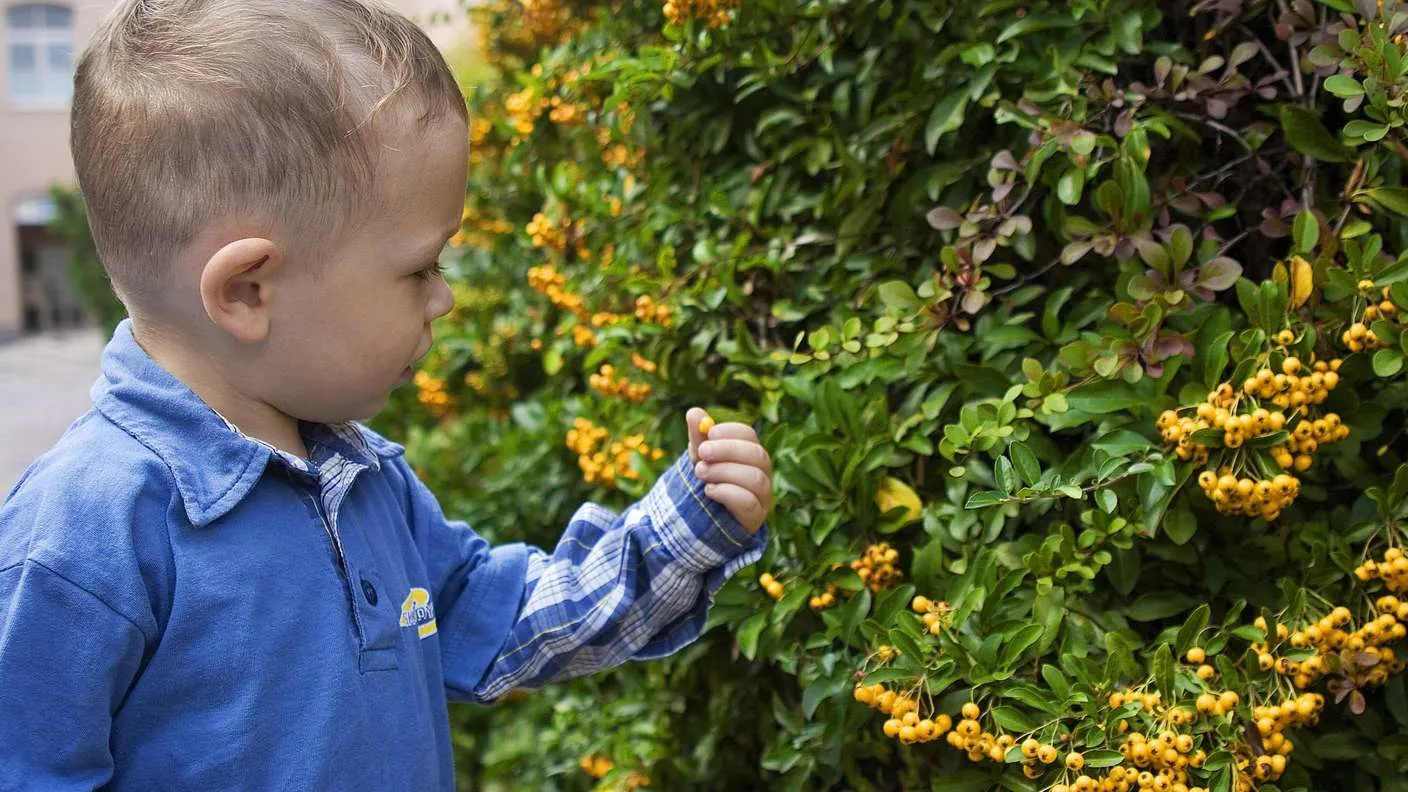
Adults rarely decide to graze on ornamental bushes for lunch. The real concern regarding toxicity focuses on two specific groups:

Common Garden "Frenemies"

You might be surprised to find that many beloved, classic garden plants have toxic parts.

They have been grown for centuries because their beauty outweighs the low risk they pose when managed correctly.

Practical Steps: How to Manage the Risk

Instead of aiming for a sterile, “100% safe” environment (which doesn’t exist), aim for a managed environment.

Educate

The best defense is teaching children from a very young age: “We never eat anything from the garden unless an adult gives it to us.” Show them the difference between a strawberry and an ornamental berry.

Identify Your Plants

If you bought a house with an existing garden, try to identify what you have. Use plant identification apps (like PictureThis or Google Lens) or hire a professional for a garden audit. Knowing the names allows you to check their specific toxicity levels.

Strategic Placement

If you have a new puppy or a toddler, don’t plant a Yew hedge right next to their play area. Use those plants in the background, inaccessible areas, or behind thorny barriers like roses or berberis. Put safer plants in the foreground.

Reduce Temptation

If you have a plant known to have toxic berries that look enticing, simply prune the flowers off before they turn into fruit during the years your children are small. You get the foliage without the risk.

Frequently Asked Questions (FAQ)

How to identify poisonous garden plants?

Identifying toxic plants involves checking their botanical names and physical characteristics.

Look for warning signs like milky sap, strong odors, or unfamiliar berries. If you are unsure about a plant in your garden, it is best to avoid direct contact and research it thoroughly or consult with a local nursery.

Managing toxic plants is crucial, especially if you have young children or pets. They are naturally curious and might accidentally ingest leaves or berries.

Creating a “safe zone” by removing or isolating these plants significantly reduces the risk of allergic reactions or accidental poisoning.

If your skin touches a toxic plant, wash the area thoroughly with soap and running water immediately. If any part of the plant is ingested, seek medical or veterinary attention right away.

It is very helpful to bring a photo or a sample of the plant with you to help professionals identify it quickly.

Many popular landscape plants, such as Oleander (Nerium oleander), Dieffenbachia, and Hydrangea, can be harmful.

Their toxicity levels vary, so it is important to keep them away from play areas or spots where pets frequently roam to ensure your outdoor space remains safe.

A garden should be a place of relaxation, not anxiety. By understanding that toxicity is usually dose-dependent and by taking simple precautions with kids and pets, you can enjoy a lush, diverse landscape safely.

If you are designing a new garden and are worried about safety, our agronomists at Sarti Flora can help you select beautiful, worry-free alternatives from our nursery that suit your family’s lifestyle.


Read more tips from our experts

More articles to help your garden thrive. Knowledge, inspiration, and practical guides for every season.

Leave a Reply

Your email address will not be published. Required fields are marked *